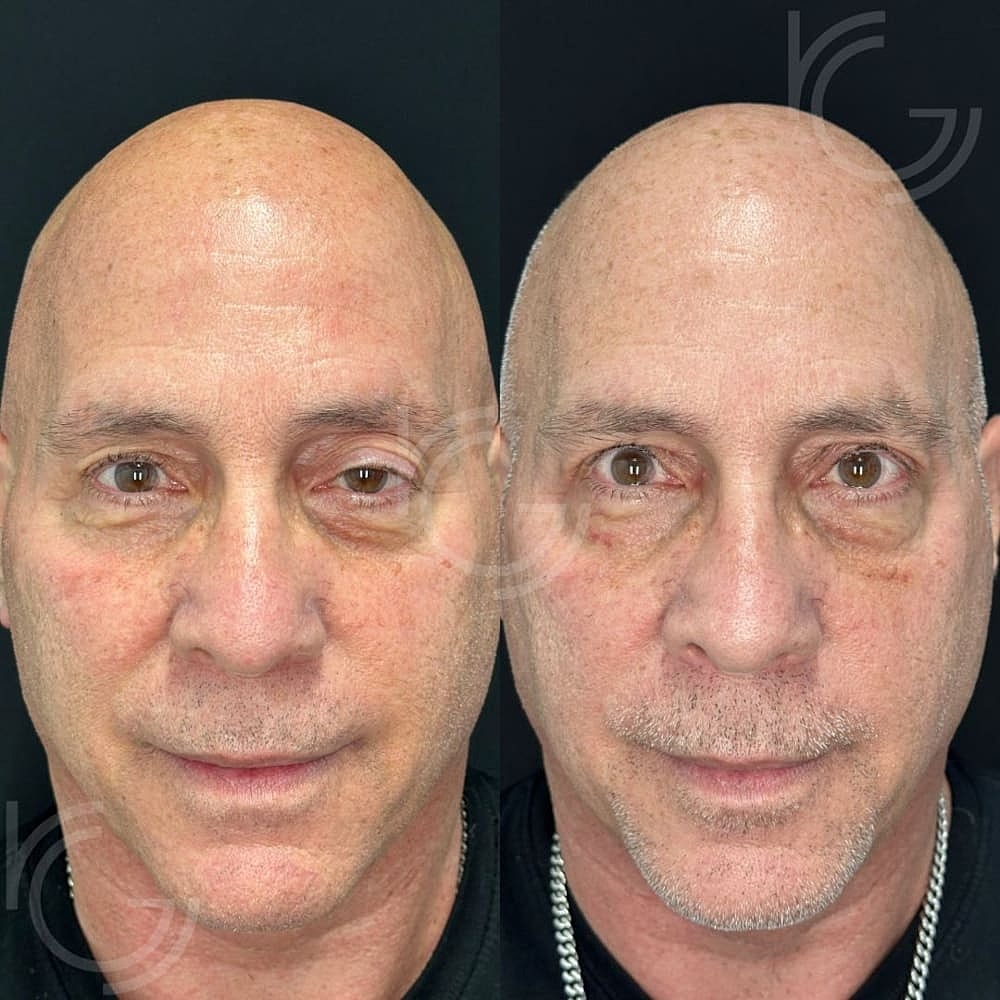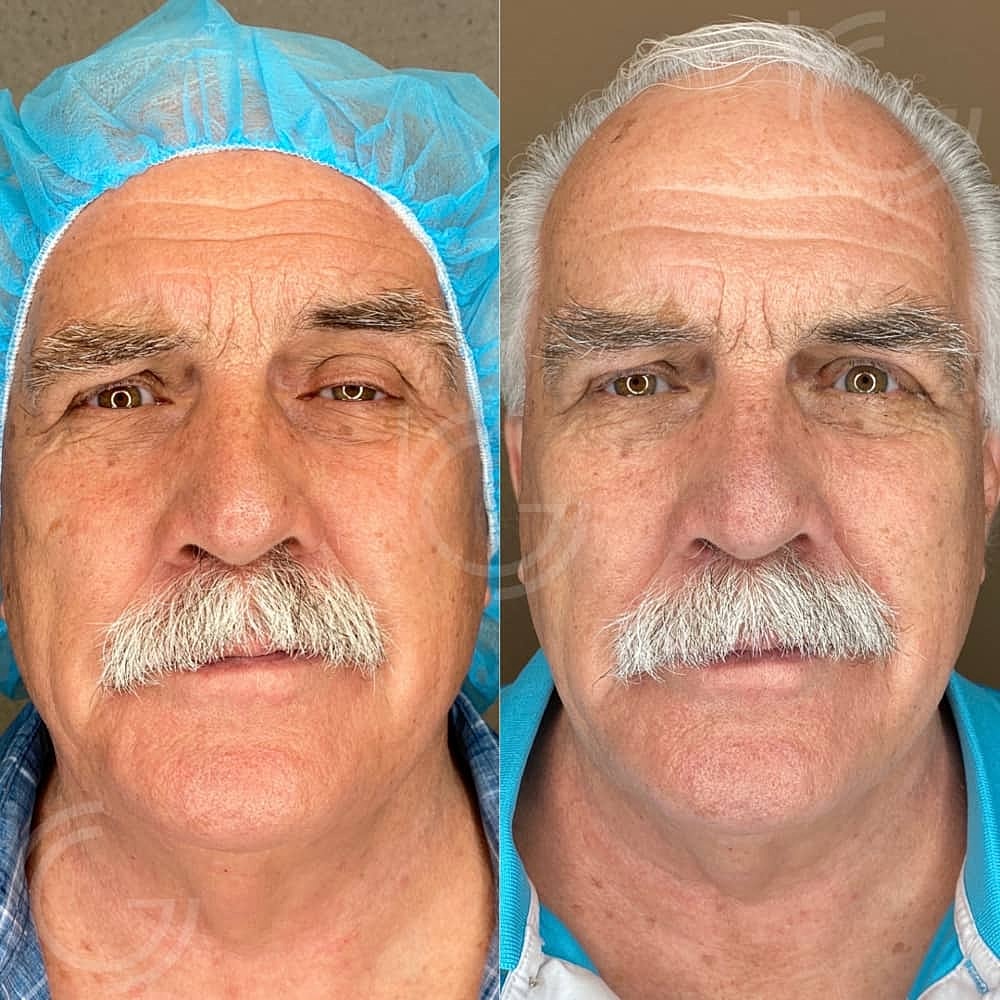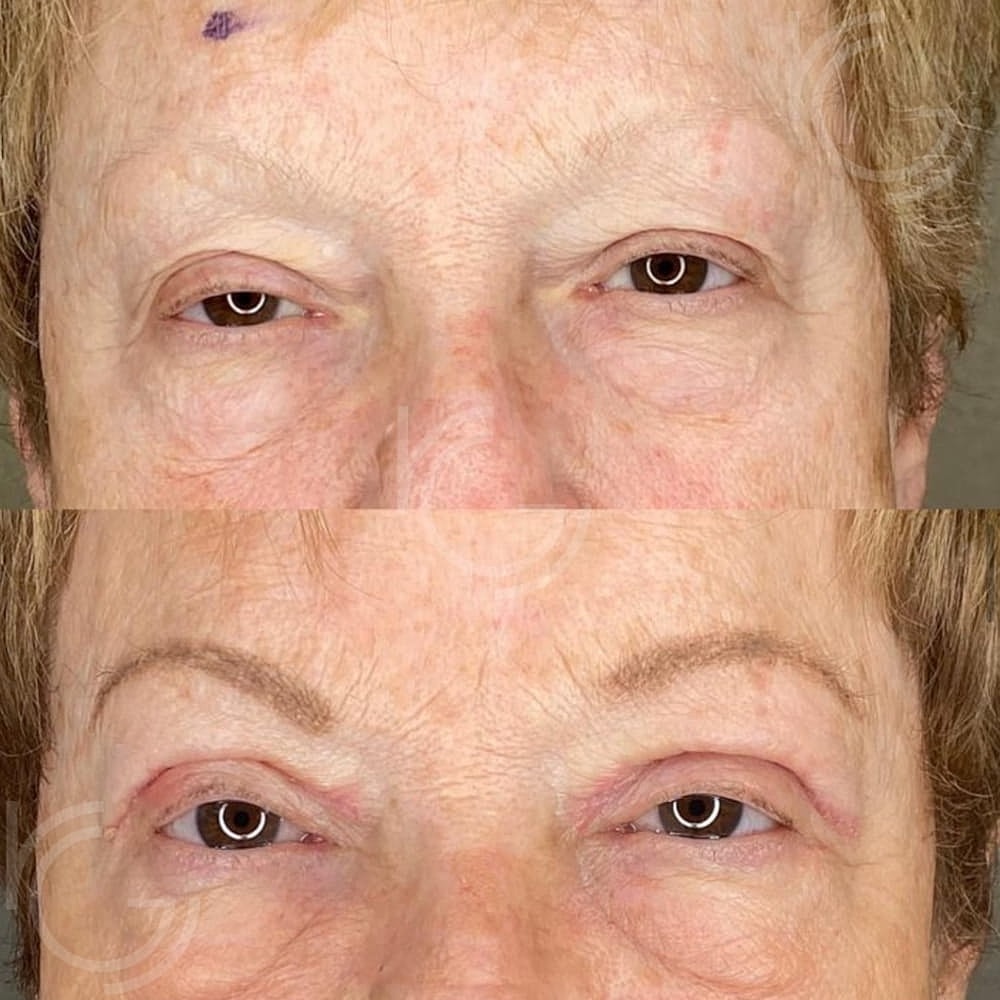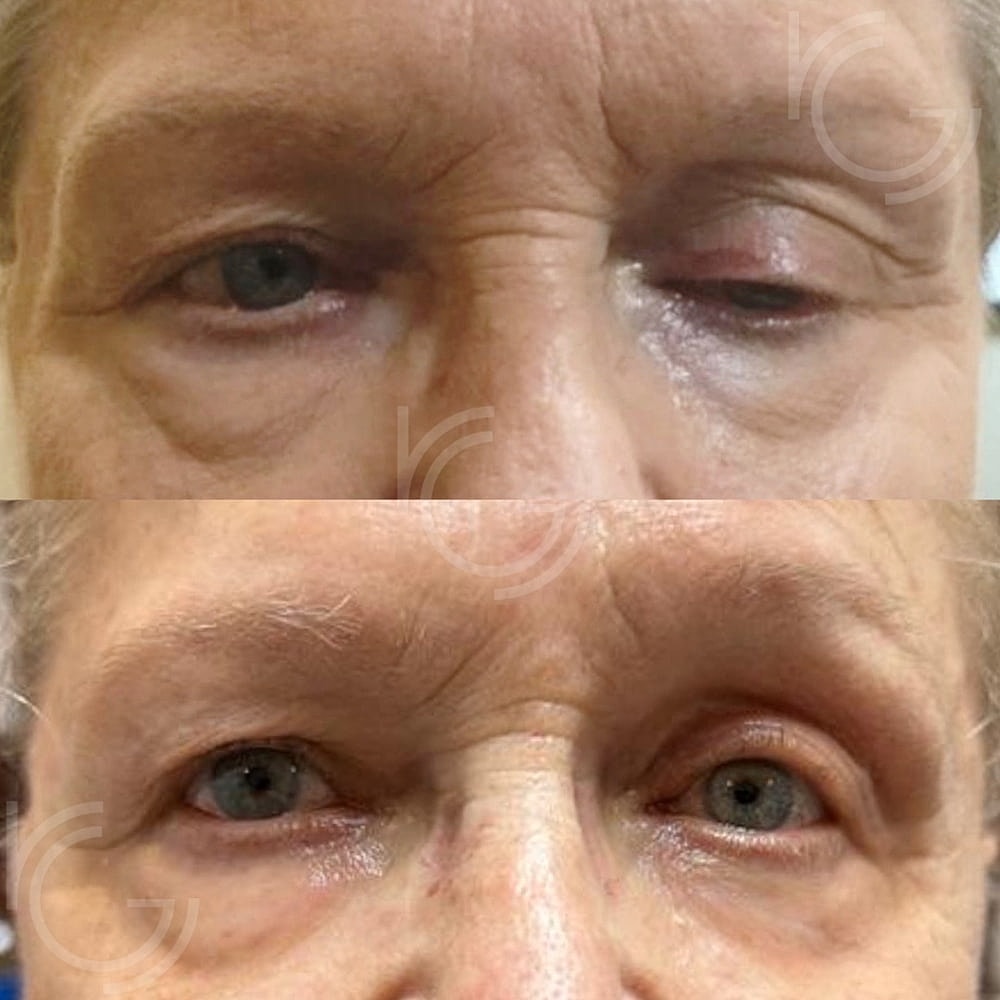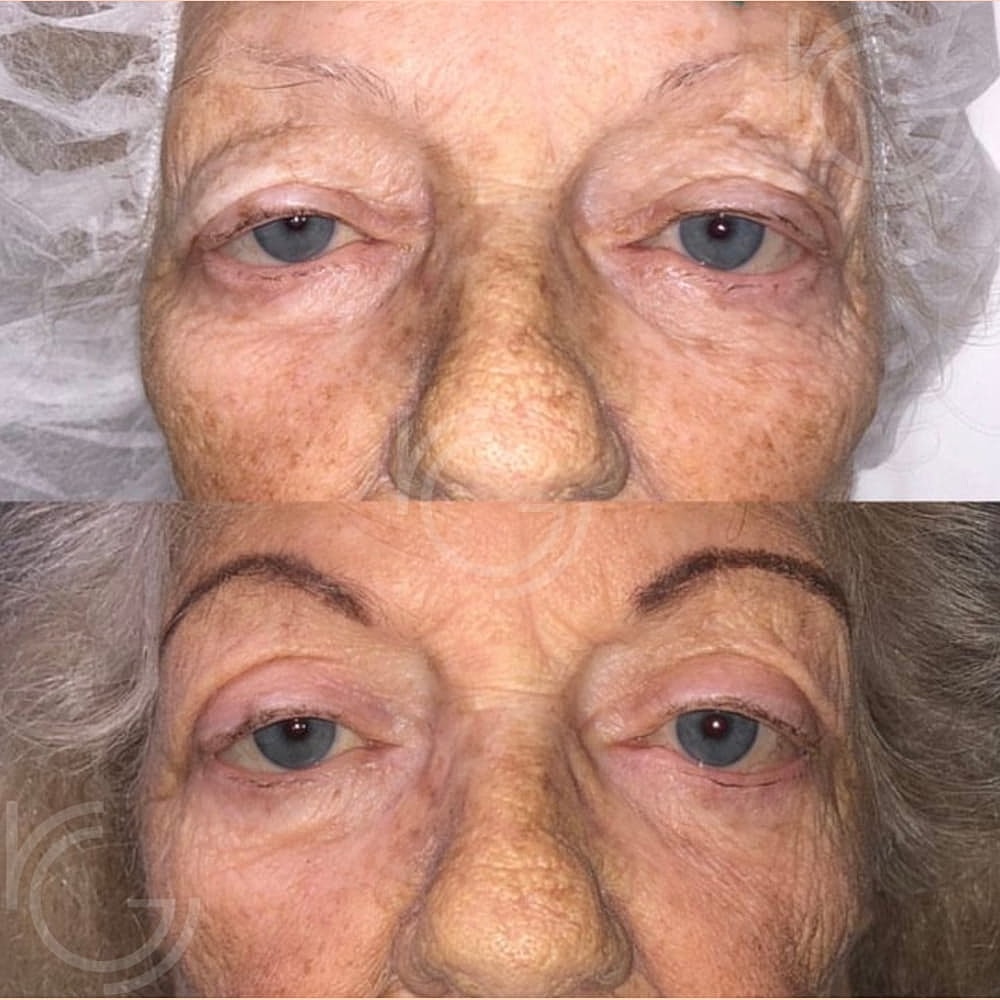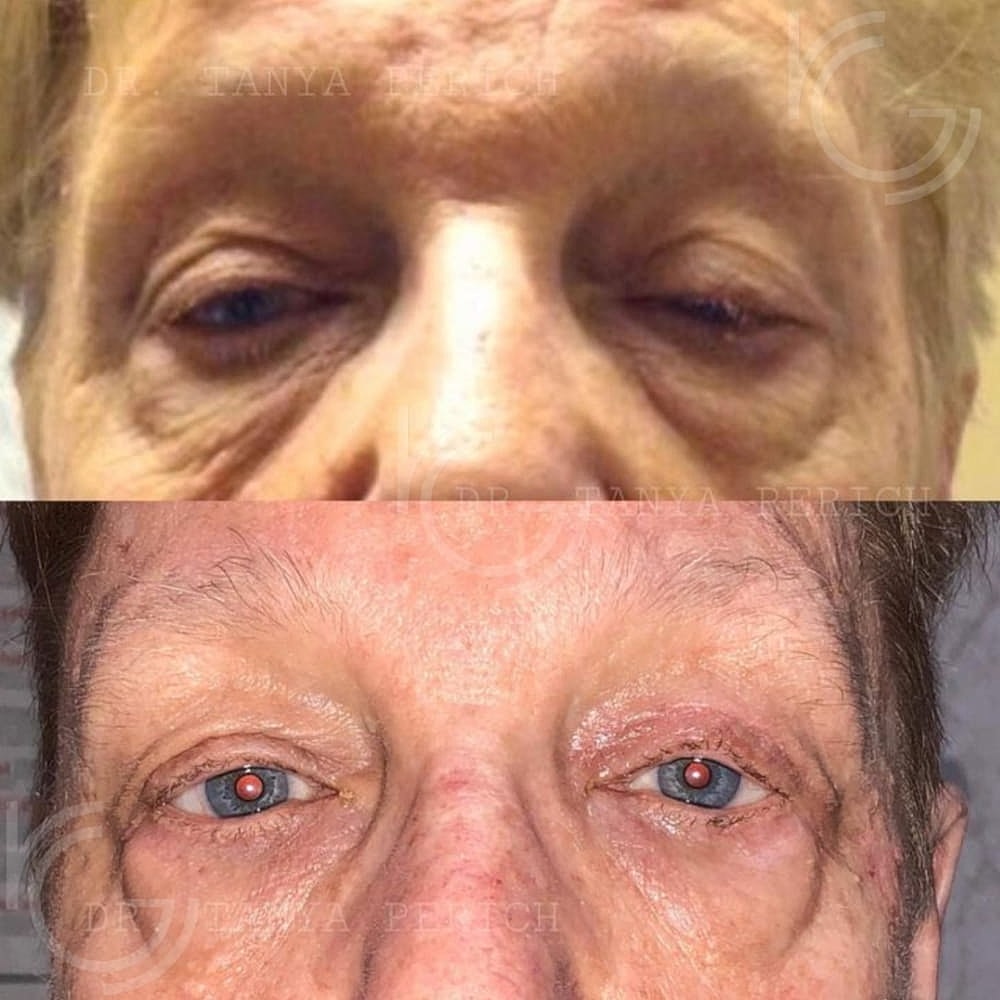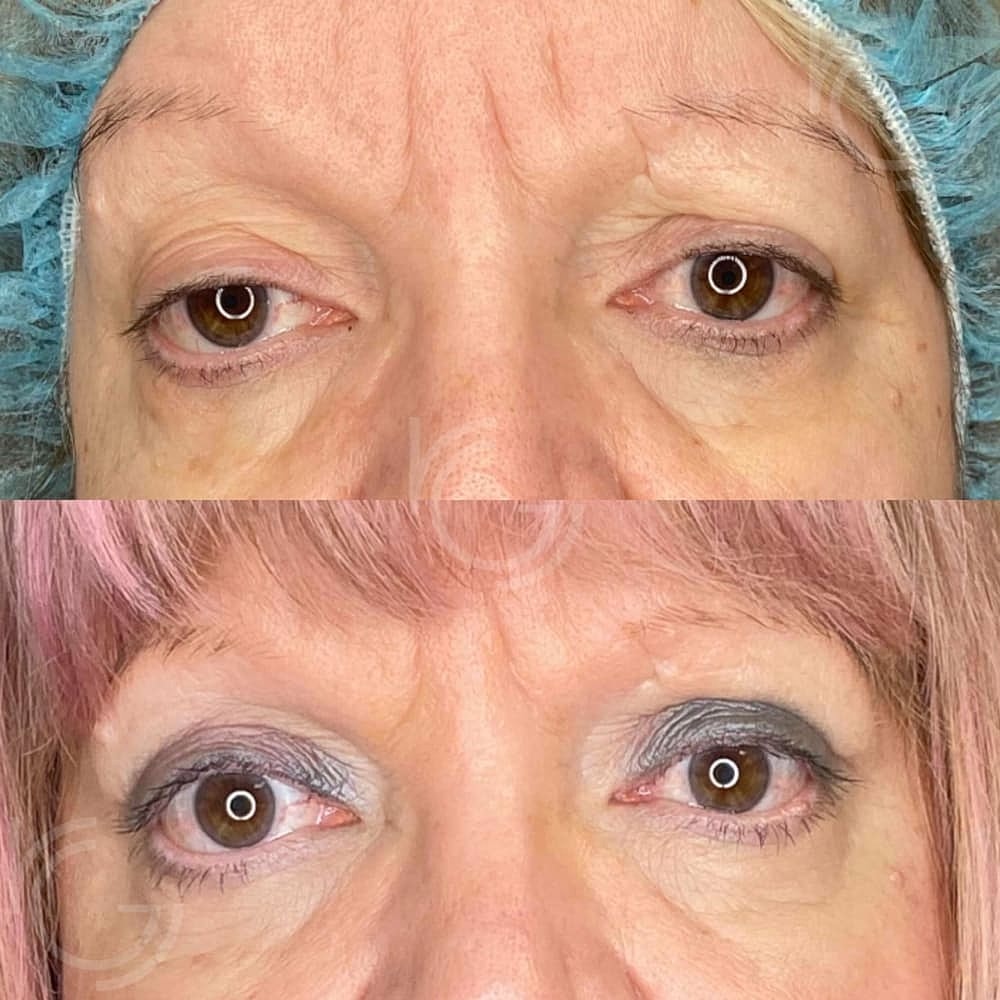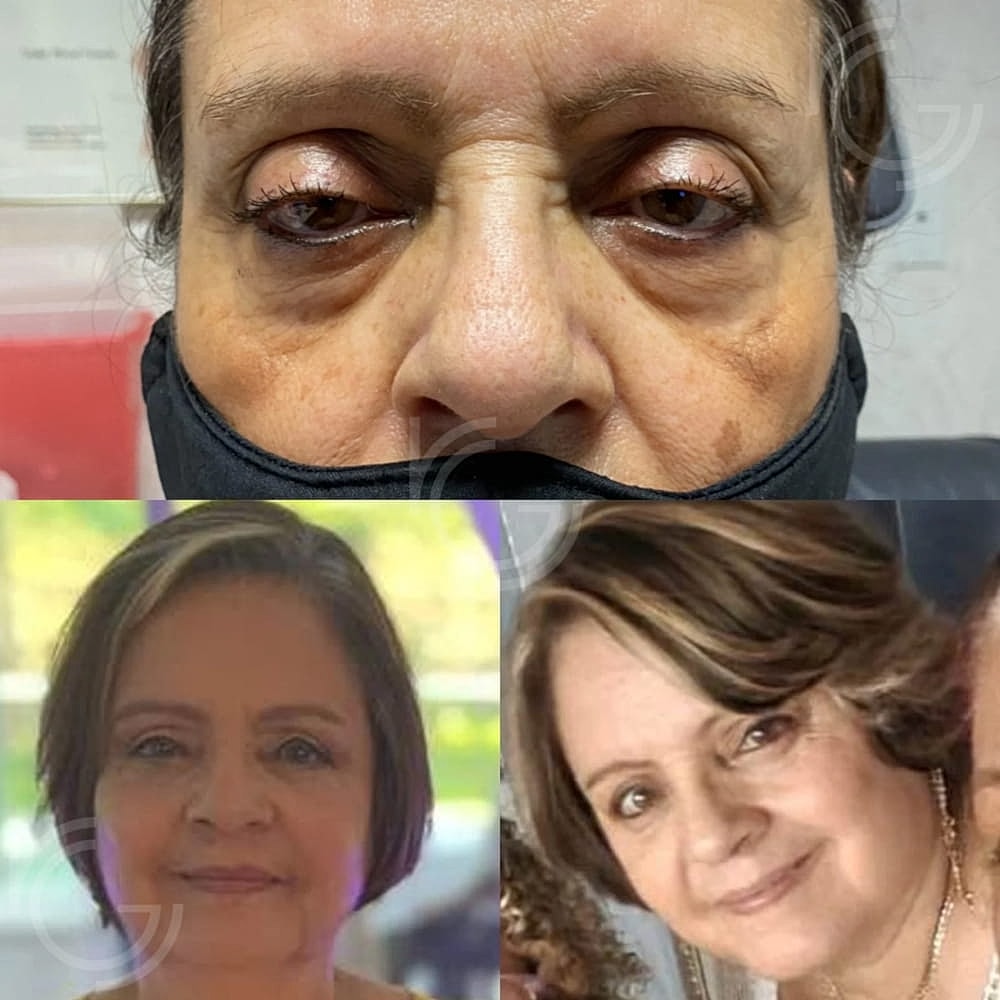
The eyes are often called the windows to the soul, but functionally, they are your window to the world. When the delicate muscles responsible for lifting the eyelids weaken or stretch, that window begins to close—literally. This condition, known as ptosis (toe-sis), does more than just make you look tired or older than you feel; it can physically obstruct your line of sight, forcing you to tilt your head back or strain your forehead just to see clearly.
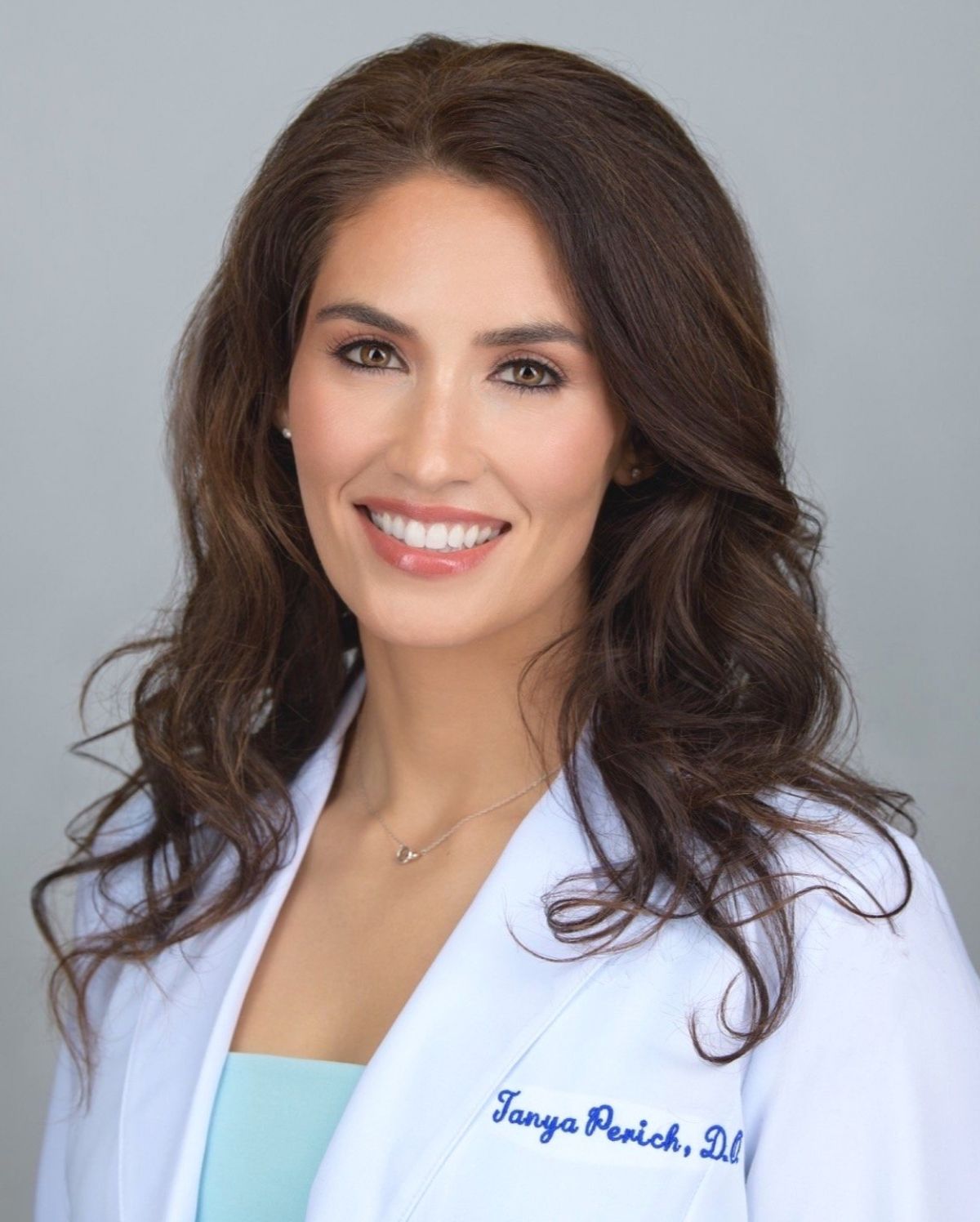
At ReGenesis Wellness & Medspa, we approach our Trinity ptosis surgery as both a functional necessity and an aesthetic art form. Performed by Dr. Tanya Perich, a Board-Certified Ophthalmologist and Oculoplastic Surgeon, this procedure is designed to restore the natural mechanics of the eyelid while simultaneously refreshing your appearance. Whether you are seeking to correct a "sleepy" aesthetic or medically restore your field of vision, our goal is to help you achieve a result that looks—and sees—like a masterpiece.
Many patients confuse ptosis surgery with a standard blepharoplasty (eyelid lift), but they are distinct procedures addressing different anatomical layers. While a blepharoplasty removes excess skin, ptosis surgery tightens the underlying muscle—specifically the levator muscle—that is responsible for lifting the eyelid.
When this muscle stretches or detaches due to age, injury, or genetics, the lid droops low across the pupil. Dr. Perich specializes in a technique called Direct Levator Advancement. This precise surgical method involves reattaching and tightening the levator muscle to its proper position, restoring the lid’s ability to open fully and symmetrically.

The eyelid is an incredibly complex structure that protects your most vital sensory organ: your eye. Because ptosis surgery in Trinity involves manipulating the muscles that control blink dynamics and eye closure, the margin for error is microscopic.
Dr. Perich is not just a cosmetic surgeon; she is an Ophthalmologist and Oculoplastic Surgeon. This dual expertise means she understands the health of the eye as deeply as the aesthetics of the lid. Choosing a specialist ensures that your surgery prioritizes the safety of the globe (the eye itself) and the preservation of tear film function, all while achieving a seamless cosmetic result.
Ptosis affects patients differently. For some, it is a subtle aesthetic concern; for others, it is a medical obstruction. Dr. Perich performs this ptosis surgery for both indications and will help you determine which pathway applies to you during your consultation.
Cosmetic Optimization (Cash Pay)
For younger patients or those with mild drooping, ptosis often presents as a permanent "sleepy" or asymmetric look. You may not have vision loss, but you might feel that your eyes look heavy or uneven in photos.
Medical Restoration (Insurance-Based)
For many patients, the lid droops low enough to cover the pupil, blocking the upper visual field. This is a functional medical condition.
Clears the upper visual field, making daily tasks like reading and driving safer.
Eliminates the need to constantly raise your eyebrows to lift your heavy lids, often smoothing out forehead wrinkles naturally.
Corrects asymmetry where one eye looks smaller or lower than the other.
Reverses the "exhausted" look associated with heavy lids, restoring a vibrant, attentive expression.
You may be a candidate for ptosis repair if:
Note: A comprehensive in-office assessment with Dr. Perich is required to rule out other underlying health conditions (such as neurological issues) that can sometimes mimic ptosis.
For ptosis surgery Trinity patients will have it performed as an outpatient procedure, comfortably in our office or a surgical center, depending on the complexity.
You will be given local anesthesia to numb the area. We often use "twilight" sedation to keep you relaxed but awake enough to follow simple instructions—this allows Dr. Perich to ask you to open and close your eyes during surgery to ensure the lid height is perfectly symmetrical.
An incision is typically hidden within the natural crease of the eyelid, making potential scarring virtually invisible once healed.
Dr. Perich identifies the weakened levator muscle and advances it, securing it tightly to the tarsal plate (the structural support of the eyelid).
The surgery typically takes about 45 minutes to one hour per eye.
Recovery from ptosis surgery is generally manageable, with most patients returning to normal desk activities within a week.

At ReGenesis Wellness & Medspa, we believe that the best aesthetic outcomes are rooted in functional health. Dr. Tanya Perich brings a rare level of specialization to the Trinity and Tampa Bay area. She does not merely "tuck" the skin; she re-engineers the mechanism of the eyelid.
By choosing an Oculoplastic Surgeon, you are choosing a provider who prioritizes the protection of your vision while delivering a result that honors your natural beauty. We invite you to schedule a consultation to determine if medical or cosmetic ptosis surgery is your path to a clearer, brighter perspective.
1 of 8
Yes, unilateral (one-sided) ptosis is very common. However, even if only one lid looks droopy, Dr. Perich will assess both eyes. Sometimes, fixing one lid causes the brain to relax the forehead muscles, revealing a hidden droop in the other eye. A thorough exam ensures we plan for the most symmetrical outcome possible.
Insurance often covers ptosis surgery if it is deemed "medically necessary." This requires a visual field test proving that the eyelid is obstructing your vision. If the droop is mild and does not block your sight, it is considered a cosmetic procedure and would be an out-of-pocket investment.
Think of blepharoplasty as "tidying up the drapes" (removing excess skin) and ptosis repair as "fixing the curtain rod" (tightening the muscle). Many patients need both: the muscle tightened to lift the lid, and a small amount of loose skin removed for a smooth finish. Dr. Perich can often perform both during the same surgery.
True ptosis is mechanical, but occasionally, droopy lids can be a sign of neurological conditions or other health issues. This is why an in-person consultation with Dr. Perich is non-negotiable. She will perform a neurological exam of the eyelids and pupils to rule out other causes before clearing you for surgery.
Yes, it is the gold standard for correcting age-related ptosis. Because it works with your natural anatomy rather than using synthetic slings or forehead muscles to lift the lid (techniques reserved for more severe, congenital cases), it offers the most natural-looking and predictable results for adult patients.